
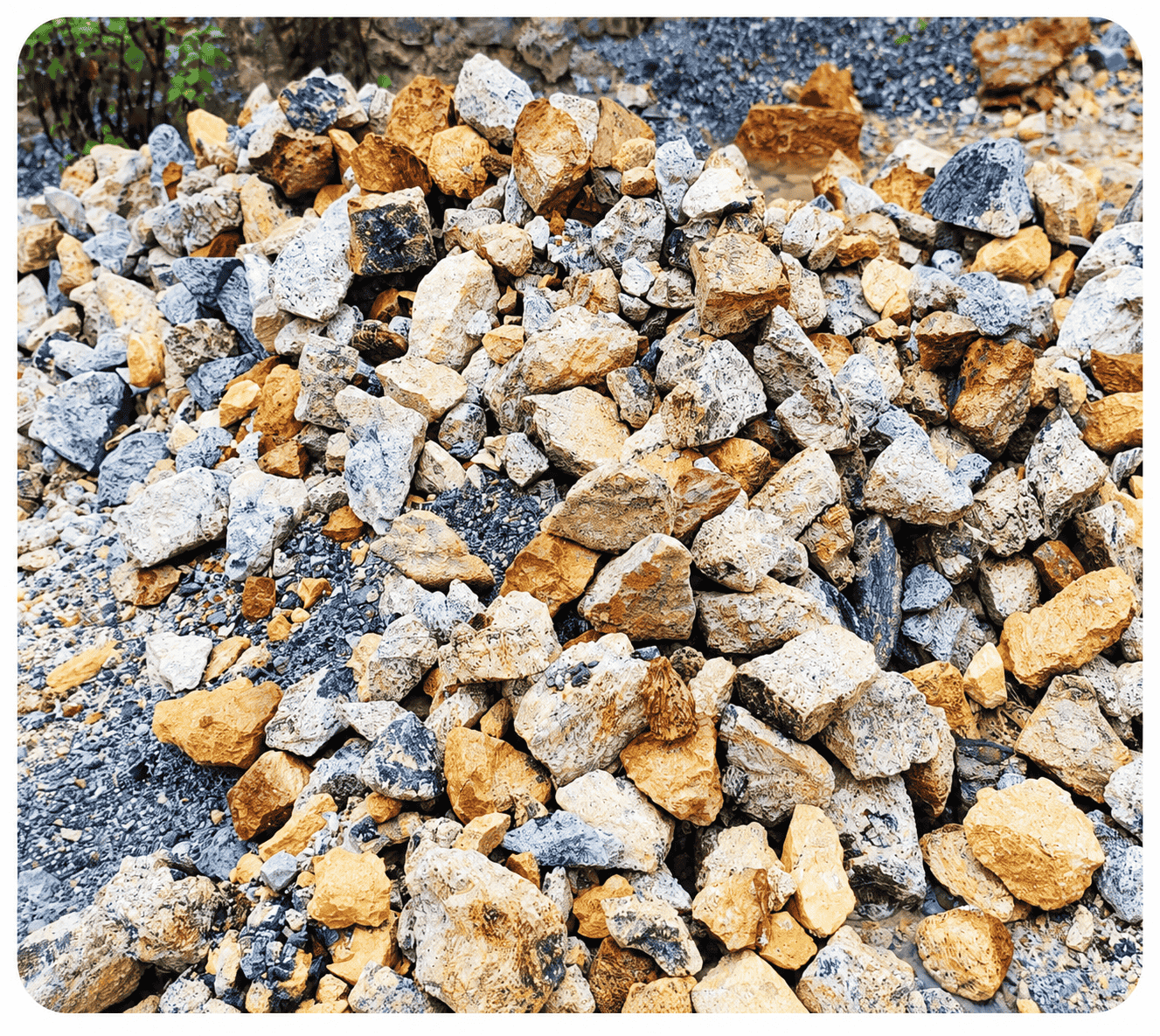
Dolomite is an important industrial mineral composed mainly of calcium magnesium carbonate (CaMg(CO₃)₂). It is a sedimentary rock formed through geological processes involving the alteration of limestone by magnesium-rich groundwater. Dolomite is widely used in various industrial, agricultural, and construction applications due to its chemical composition and durability. In the mining sector, dolomite is extracted from approved mining leases and quarry areas through regulated mining operations. It is commonly used in the steel industry as a fluxing material, in cement manufacturing, glass production, refractory materials, and as a soil conditioner in agriculture to neutralize acidic soils. Dolomite is also used as a construction aggregate and in the production of lime and magnesium compounds.
Uses: Piller Continue
Granite is a hard, crystalline igneous rock primarily composed of quartz, feldspar, and mica. It is formed through the slow cooling and solidification of magma beneath the Earth's surface, which gives it a coarse-grained texture and exceptional strength. In the mining sector, granite is extracted from quarries through controlled drilling and cutting techniques, ensuring the preservation of large blocks suitable for processing and polishing. After extraction, the raw blocks are processed into slabs, tiles, and customized architectural products.
Uses: Piller Continue
Kota Stone is a naturally occurring, fine-grained variety of limestone is known for its durability, strength, and natural aesthetic appeal. Kota Stone is widely recognized as one of the most important dimension stones produced in India and holds significant economic value in the mining and construction sectors. The stone typically occurs in thick, splittable layers, allowing it to be easily extracted and processed into slabs and tiles of various thicknesses for commercial use.
Uses: Piller Continue
High Grade Limestone is an important industrial mineral widely used in several sectors due to its high calcium carbonate (CaCO₃) content and superior chemical purity. Within the Mineral Mart platform, High Grade Limestone is listed as a commercially significant mineral resource available for regulated sale and distribution. The platform enables transparent trading, efficient supply chain management, and easier access for industries seeking quality limestone from authorized mining sources. The availability of High Grade Limestone through Mineral Mart helps promote sustainable mineral utilization while ensuring compliance with mining regulations and government policies.
Uses: Piller Continue
Magnesite is an important industrial mineral composed primarily of magnesium carbonate (MgCO₃). It is widely valued for its high magnesium content, excellent refractory properties, and resistance to high temperatures, making it a crucial raw material for several metallurgical and industrial applications. Magnesite is typically found in sedimentary and metamorphic rock formations, where magnesium-rich fluids react with carbonate rocks. Due to its exceptional heat resistance, magnesite is extensively used in the manufacturing of refractory bricks and linings for furnaces, kilns, and converters in industries such as steel, cement, and non-ferrous metallurgy.
Uses: Piller Continue
Brick Soil, commonly referred to as Brick Earth, is a naturally occurring mineral resource widely used in the manufacturing of bricks and other clay-based construction materials. It is typically composed of fine-grained soil containing suitable proportions of clay, silt, and sand, which provide the required plasticity and binding properties necessary for molding and firing bricks. In the state of Uttarakhand, Brick Soil is an important minor mineral regulated by the Directorate of Geology and Mining under the provisions of the Uttarakhand Minor Mineral (Concession) Rules and other applicable mining regulations. The extraction and utilization of Brick Soil are permitted through valid mining leases or permits issued by the department to ensure sustainable mining practices and environmental compliance.
Uses: Piller Continue
Dust is a finely crushed by-product generated during the processing of stones in crushing and screening plants. It is produced when large rocks and boulders are mechanically crushed into smaller aggregates such as grit and sand. In the mining and mineral processing sector, dust is widely used as a construction material due to its fine texture and good binding properties. Through the digital platform UK Mineral Mart, dust and other minerals are made available to buyers in a transparent and regulated manner
Uses: Piller Continue
Grit refers to coarse granular particles of stone, sand, or crushed rock commonly used as a minor mineral in construction and infrastructure activities. Geologically, grit is often associated with coarse-grained sandstone or sedimentary rock composed of angular sand-sized grains and small pebbles. These materials are naturally hard and durable, making them suitable for various civil engineering and building purposes. For the Mineral Mart initiative under the Directorate of Geology and Mining, Uttarakhand, grit can be categorized as a commercially tradable minor mineral product. Listing grit on the Mineral Mart platform will enable transparent trade, efficient supply chain management, and regulated distribution of construction aggregates across the state.
Uses: Piller Continue
Gypsum is a naturally occurring soft mineral composed primarily of calcium sulfate dihydrate (CaSO₄·2H₂O). It is widely found in sedimentary rock formations and is one of the most important industrial minerals due to its extensive applications in construction, agriculture, and manufacturing industries. The responsible extraction and utilization of gypsum contribute to the sustainable development of mineral resources. Through initiatives like Mineral Mart, the Government aims to promote transparency, efficient resource utilization, and market accessibility for various minerals, including gypsum.
Uses: Piller Continue
Low-grade Limestone is an important industrial mineral found in various geological formations of Uttarakhand. The mineral resources are regulated and monitored by the Directorate of Geology and Mining, Uttarakhand, which is responsible for exploration, regulation, and sustainable utilization of mineral wealth within the state. In Uttarakhand, deposits of low-grade limestone occur in sedimentary rock formations, particularly within the Himalayan geological belt. Through initiatives such as Mineral Mart, the department aims to enhance transparency, streamline mineral trade, and facilitate easier access to mineral resources for authorized buyers and industries.
Uses: Piller ContinueQuartzite is a hard, non-foliated metamorphic rock formed from the metamorphism of pure quartz sandstone. Under intense heat and pressure within the Earth’s crust, the original sandstone recrystallizes, transforming into a dense and durable rock composed predominantly of quartz. Due to this process, quartzite becomes extremely hard, compact, and resistant to weathering. In the state of Uttarakhand, quartzite occurs in several geological formations associated with the Himalayan terrain. It is commonly found in hilly and mountainous regions where ancient sedimentary rocks have undergone metamorphic transformation. The mineral is generally light grey, white, pink, or reddish in color depending on the presence of minor impurities such as iron oxides.
Uses: Piller Continue
Silica Sand is one of the most abundant industrial minerals found in nature and is primarily composed of silicon dioxide (SiO₂). It is a granular material derived from the weathering and erosion of quartz-rich rocks such as granite and sandstone. In the context of the Department of Geology and Mining, Uttarakhand, silica sand is an important minor mineral resource that contributes significantly to the mineral economy of the state. Deposits of silica sand are generally found in riverbeds, alluvial deposits, and sedimentary formations within the region.
Uses: Piller Continue
Slate is a fine-grained metamorphic rock formed from shale under conditions of low heat and pressure. It is widely recognized for its durability, natural texture, and ability to split into thin, smooth sheets, making it highly suitable for construction and decorative applications. Slate is commonly used in roofing, flooring, wall cladding, paving stones, and architectural stone works due to its strength, weather resistance, and aesthetic appearance. In Uttarakhand, slate is one of the important mineral resources found mainly in the Kumaon region, particularly in districts such as Almora and Nainital. The state possesses high-quality slate deposits that have traditionally been used as roofing material and building stone in hilly regions.
Uses: Piller Continue
Soapstone, also known as Steatite, is a soft metamorphic rock primarily composed of the mineral talc (hydrated magnesium silicate) along with varying amounts of chlorite, dolomite, and magnesite. Due to its high talc content, soapstone has a smooth, soapy texture and is easily carved, making it one of the most versatile industrial minerals. In Uttarakhand, soapstone mining contributes significantly to the local economy by generating employment and supporting mineral-based industries. With proper scientific mining practices and environmental safeguards, soapstone continues to be an important mineral resource supporting industrial growth and regional development.
Uses: Piller Continue
Bajri, commonly known as sand, is one of the most widely used minor minerals in the construction and infrastructure sector. In the context of the mining department, Bajri generally refers to riverbed sand or naturally weathered sand deposits extracted from riverbeds, floodplains, and other approved mining areas. From a mining and regulatory perspective, Bajri is classified as a Minor Mineral under the provisions of the Mines and Minerals (Development and Regulation) Act, 1957, and its extraction is regulated by the respective State Mining Departments. The mining of Bajri is carried out through scientific and environmentally regulated methods to ensure sustainable extraction, prevent illegal mining, and maintain ecological balance in river systems.
Uses: Piller Continue
Boulder is a large fragment of rock generally having a diameter greater than about 25.6 cm, formed naturally through geological processes such as weathering, erosion, and river transportation. These large stones are commonly found in riverbeds, mountainous regions, and quarry areas. In the context of the Directorate of Geology and Mining Uttarakhand, boulders are categorized as minor minerals, especially those obtained from riverbed mining areas along with sand and gravel.
Uses: Piller Continue
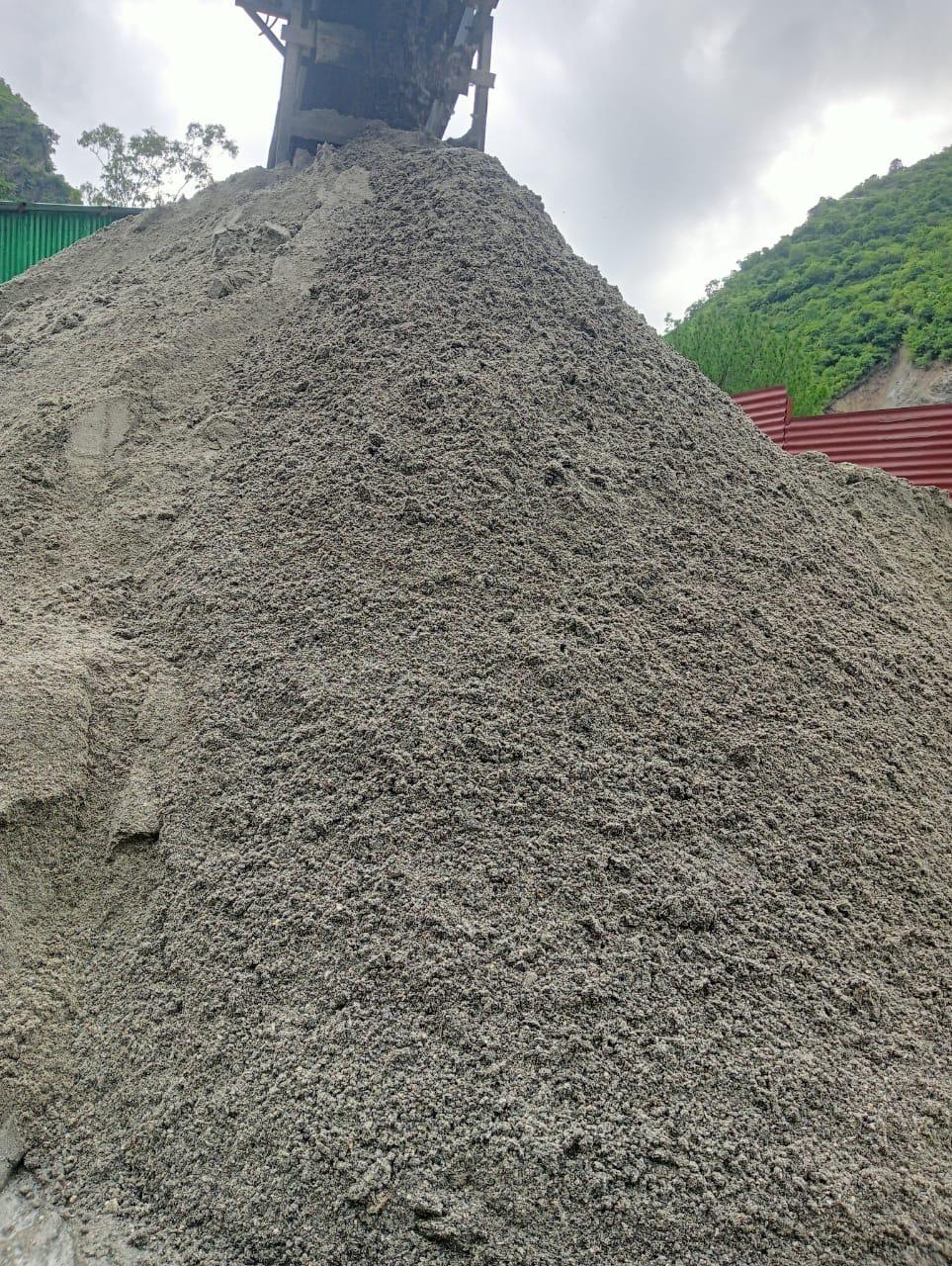
Fine Sand is a naturally occurring minor mineral consisting of very small granular particles formed through the weathering and erosion of rocks over long geological periods. In the state of Uttarakhand, fine sand is primarily obtained from riverbeds and sedimentary deposits and is widely used as a key raw material in construction, infrastructure development, and various civil engineering applications. Fine sand is characterized by its small particle size, smooth texture, and uniform grading, which makes it particularly suitable for applications such as plastering, mortar preparation, brickwork, and finishing works in construction projects. Its fine grains provide better workability and improved bonding strength in cement mixtures, ensuring durability and structural stability.
Uses: Piller Continue
GSB, commonly referring to Gitti (aggregate/stone chips), Sand, and Bajri (gravel), represents a category of minor minerals widely used in the construction and infrastructure sector. In the state of Uttarakhand, these minerals are primarily obtained from riverbeds and designated mining areas, and they play a crucial role in meeting the growing demand for building materials required for roads, housing, and other infrastructure projects.
Uses: Piller Continue
One of the commonly traded minor minerals on the platform is Mixture (RBM Mixed). Mixture refers to a naturally occurring blend of riverbed materials (RBM) that typically contains sand, bajri (gravel), and small boulders in varying proportions. These materials are extracted from approved riverbed mining areas under the state’s minor mineral concession rules and are supplied through licensed lessees and stockists.
Uses: Piller Continue
Ordinary Soil is a naturally occurring, non-metallic mineral resource that forms the uppermost layer of the earth’s surface. It consists primarily of a mixture of organic matter, minerals, and fine particles, making it an essential component for agricultural, construction, and landscaping applications. While it is widely available, its quality and composition can vary depending on the geographic location and local geological conditions. In Uttarakhand, Ordinary Soil is predominantly used for land improvement, horticulture, and civil engineering purposes. It plays a key role in supporting sustainable agriculture and infrastructure development in the region. Through the Mineral Mart, stakeholders—including farmers, builders, and industrial users—can access verified quantities of Ordinary Soil, ensuring compliance with state mining regulations and promoting responsible utilization of this vital natural resource.
Uses: Piller Continue
RBM Mixed (Run-of-Mine Mixed) refers to the raw, unprocessed aggregate of minerals directly extracted from mines in Uttarakhand. It typically consists of a heterogeneous mixture of mineral fragments, varying in size, shape, and quality. This mineral type is widely used in construction, road building, and industrial applications after appropriate processing.
Uses: Piller Continue
In Uttarakhand, mineral sands are recognized for their strategic and economic significance due to their high content of titanium, zirconium, and other valuable heavy minerals. The Mining Department of Uttarakhand ensures the regulated extraction, sustainable management, and commercial utilization of these mineral sands, aligning with environmental guidelines and state-level mineral policies. On Mineral Mart, these mineral sands are categorized for ease of trade, enabling buyers and suppliers to connect transparently while promoting responsible mining practices. Detailed information on availability, quality, and approved extraction zones is provided to ensure compliance with the state’s mining regulations.
Uses: Piller Continue
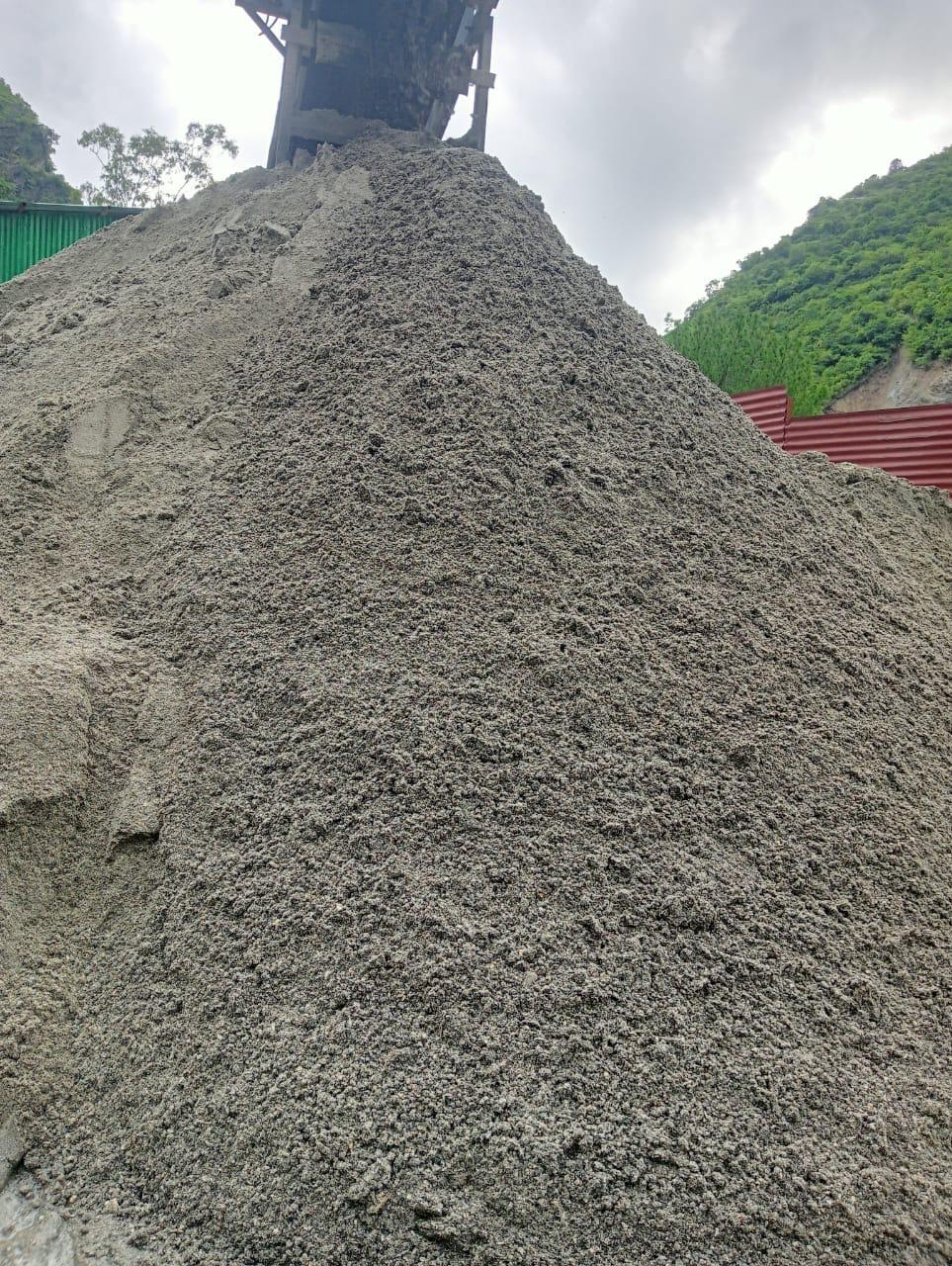
During mining and mineral processing, a significant amount of waste material such as overburden, tailings, rejected stones, mineral fines, and sub-grade minerals is generated. Traditionally, these materials are dumped near mining sites, which may lead to environmental issues such as soil degradation, water pollution, and land instability if not managed properly. To address this challenge and promote sustainable mining practices, the concept of utilizing mining waste through platforms such as Mineral MART Uttarakhand has gained importance. Mineral Mart can serve as a centralized digital marketplace where waste or low-grade mineral materials generated from mines can be catalogued, managed, and sold for secondary applications.
Uses: Piller Continue
Wet Mix Macadam (WMM) is a processed minor mineral aggregate widely used in road and infrastructure construction. It consists of well-graded crushed stone aggregates mixed with water and compacted to form a strong base layer for roads and pavements. WMM is generally produced in crushing and mixing plants where aggregates of different sizes are blended with controlled moisture content to achieve uniform gradation and strength. Under the framework of minor minerals governed by the Mines and Minerals (Development and Regulation) Act, 1957, construction materials such as building stone, gravel, and road metal are categorized as minor minerals used for infrastructure development. WMM is typically manufactured from such crushed stone materials and is therefore associated with the minor mineral supply chain managed by the State Mining Department.
Uses: Piller ContinueFor your queries call us on our helpdesk number